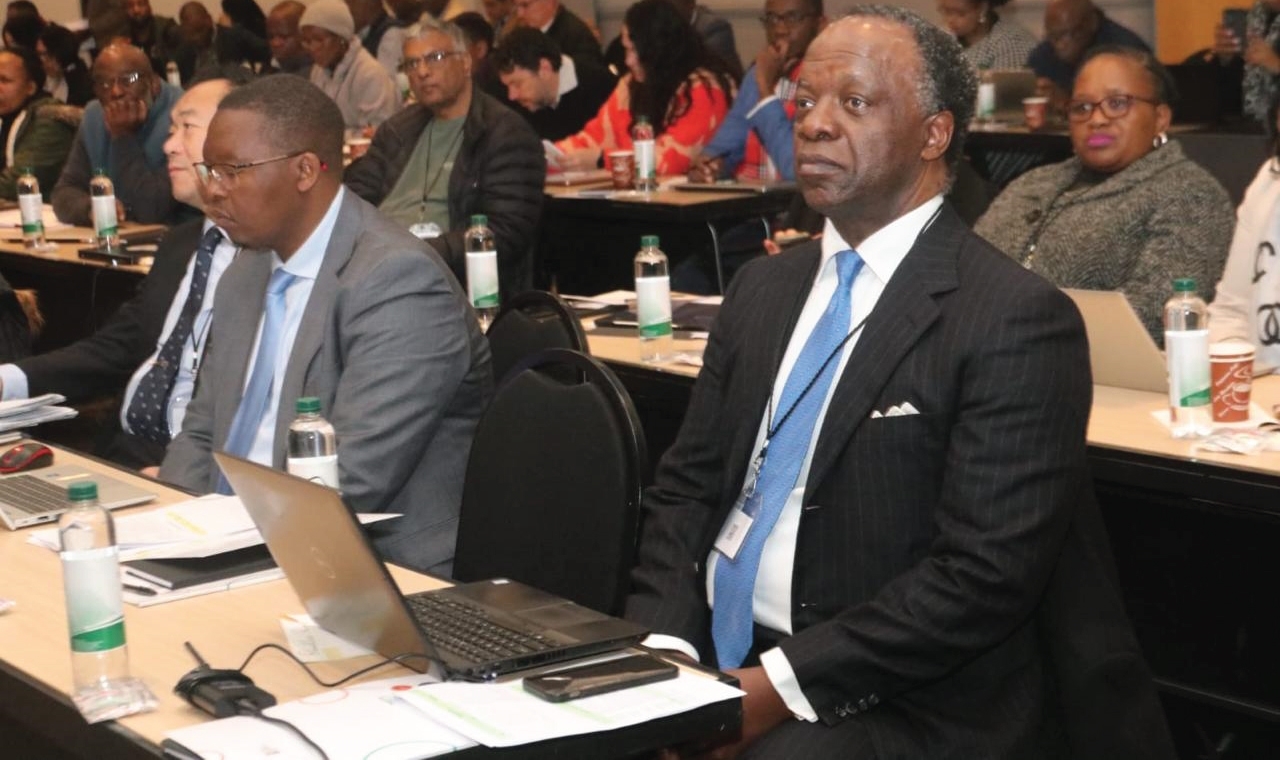
On 07 June, the NECT in collaboration with the Department of Basic Education convened a Math Summit themed ‘Repositioning Mathematics In The Macro Improvement Agenda’
The summit lead an independent paper with the aim to reposition mathematics in the macro-development agenda and to gather inputs into an emerging national maths support initiative to strengthen the National Mathematics Improvement Plan (NMIP). Moreover, the summit sought to explore strategies to address the poor math performance and low participation rates amongst learners across all levels of schooling.
Over 120 stakeholders, across government, civil society, labour and business were in attendance to deliberate on the state of math in classrooms and to explore a joint approach to leverage emerging opportunities for enhancing mathematics participation and outcomes.
In her opening remarks the Minister Angie Motshekga welcomed the collective approach and commitment by civil society led by the NECT to take on the math challenge.The minister also urged all stakeholders to continue working together towards improving mathematics teaching and learning beyond the classroom. “Our efforts should not stop in the classroom we need to inspire the love of maths from an early age”, the minister remarked. The Director-General of the DBE, Mr Mweli shared an update on the status and plans for the implementation of the ten year strategy for mathematics improvement, the National Mathematics Improvement Plan (NMIP), with emphasis on holistically reducing the failure rate and promoting mastery of cognitive and complex procedures as well as problem solving.
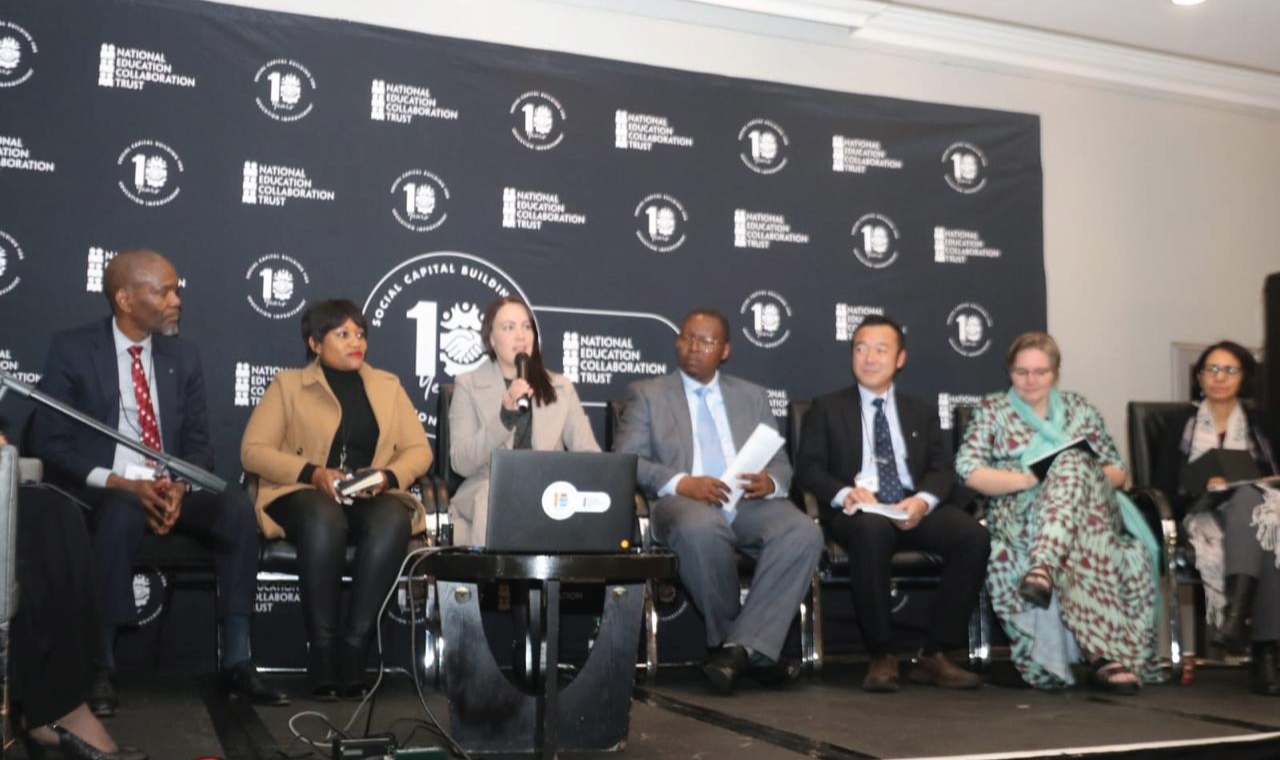
The summit learnt of findings from the position paper through a panel discussion comprised of Prof Nicky Roberts, Prof Alfred Mvunyelwa Msomi and Dr Lynn Bowie. The paper contends that the national agenda for math improvement must be multi -faceted, leveraging historical insights to build foundation for future growth. Key areas of focus should include the strategic integration of math in the economy, societal roles, university performance and initial teacher education. It also expressed that South Africa is the fastest growing improver in math international benchmarks albeit still trails behind other countries.
To further interrogate the various issues regarding the teaching and learning of math, delegates moved to commissions to discuss emerging areas from the position paper.- The role of ITE programmes in achieving national math improvement goals and objectives.
- Designing a Dynamic and Inclusive Curriculum and LTSM for Enhanced Learning Outcomes
- Transforming Assessment Practices to Elevate Mathematics Learning Outcomes.
- Leveraging CPD to Enhance Mathematics Teachers' Skills and Knowledge for Effective Instruction Across All Proficiency Levels.
The math summit bought to the fore key insights pertaining to the state of math in the country, which led to collaborative approach being upon agreed for enhancing math participation and outcomes thereby facilitating creation of a unified, resource-efficient, and innovative approach that enhances the effectiveness and sustainability of mathematics.